3-Minute Business Insights

Golf’s overall participation base in the U.S. – combining on- and off-course players – rose 8% in 2020 to 36.9 million. This leaves us with three closely-sized and mutually-exclusive groups of Americans.
And it probably won’t be long before traditional, “green grass” participants are out-numbered. Perhaps as soon as this year.

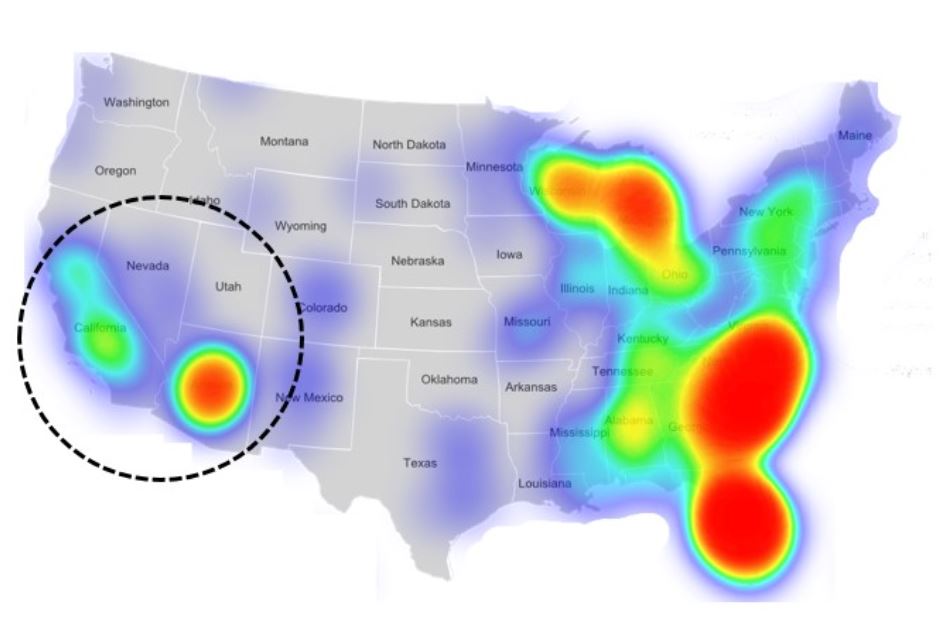
A return to the friendly skies means more golf trips and destinations back in consideration. Core golfers, on average, are now expecting 1.8 golf trips in 2021 -- an increase of more than 60% over 2020.

Limitations on golf trips in 2020 have created a bottled-up demand to return to golf travel. Here's what golfers are saying and operators are seeing.

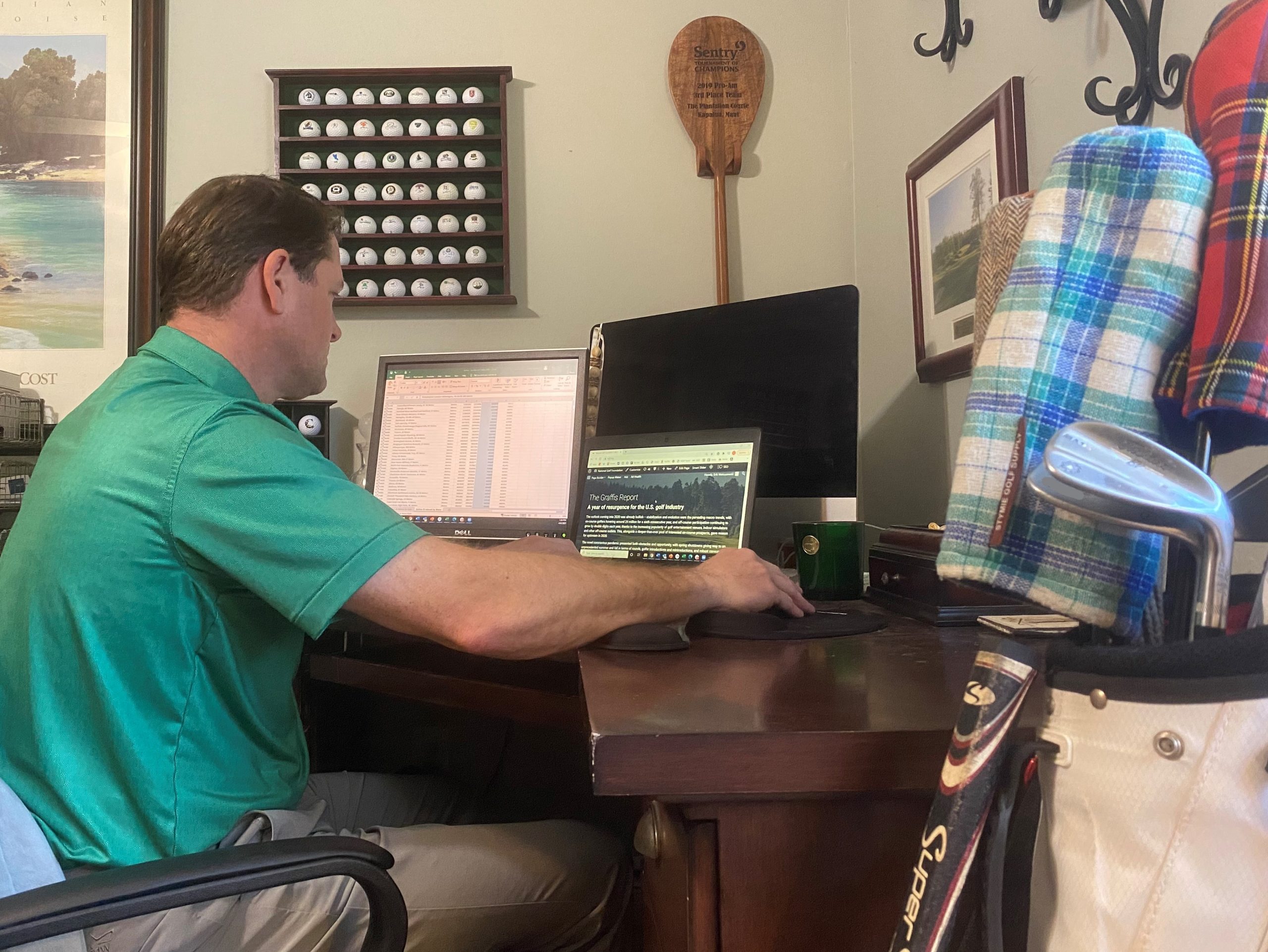
Working remotely has provided greater schedule flexibility for many people over the past year. It's also had a significant impact on golf.
12 Months, 1 Pandemic and 1,234 Rounds

As golf provided an escape from daily coronavirus anxiety for millions of Americans in 2020, nobody played more than 61-year-old Texas resident Barry Gibbons.

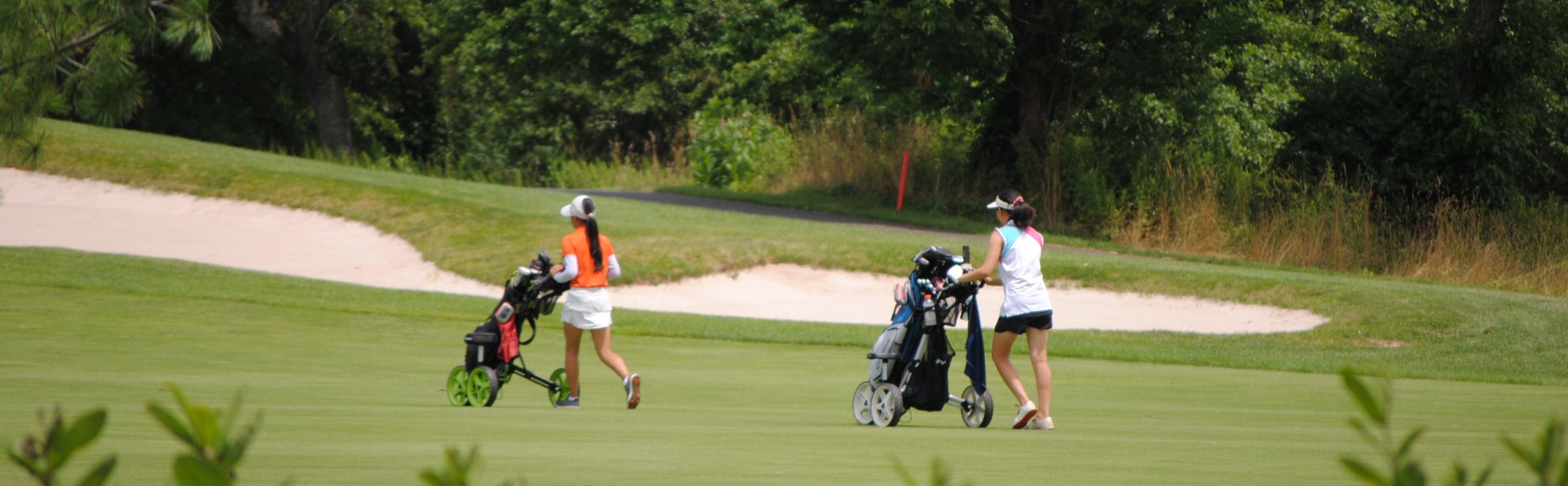
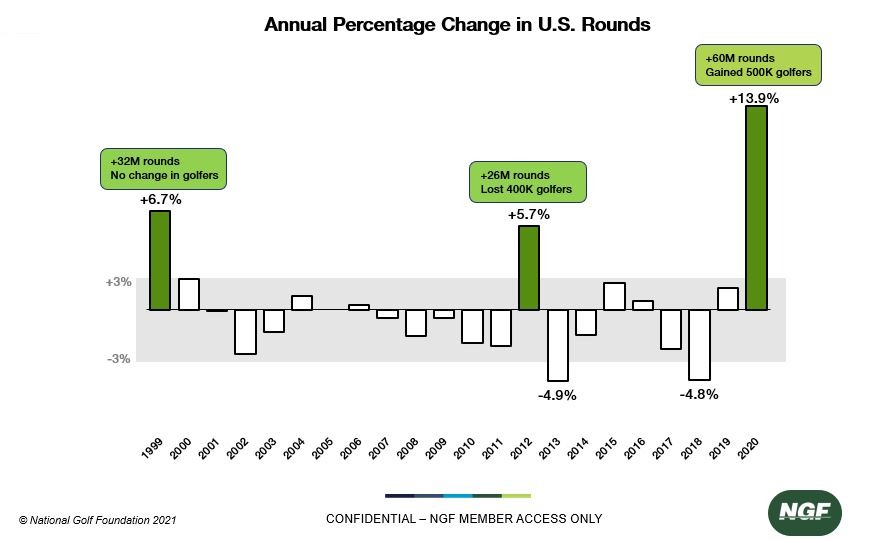
The flood of new faces on U.S. golf courses in 2020 was noteworthy, even if some gains were offset. Who were these new people? And who wanted “in” last year?

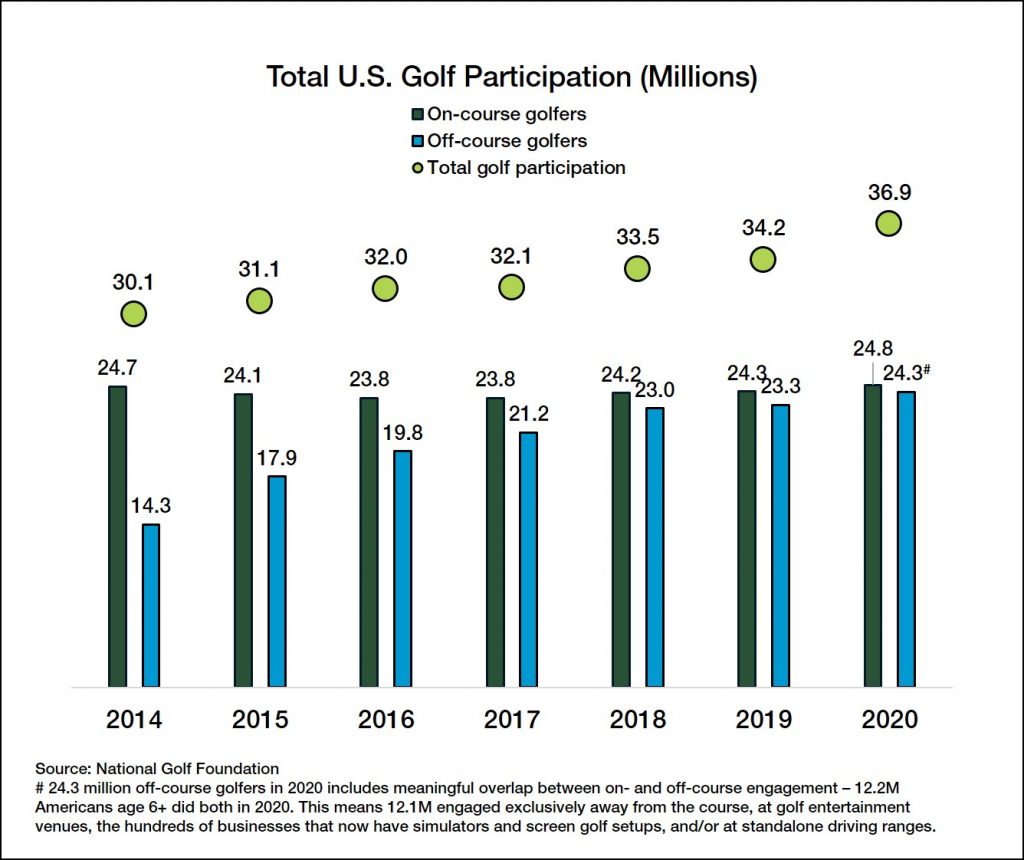
After the coronavirus struck in 2020, spring shutdowns gave way to an unprecedented summer and fall in terms of play, golfer introductions and reintroductions, and robust, late-season spending.

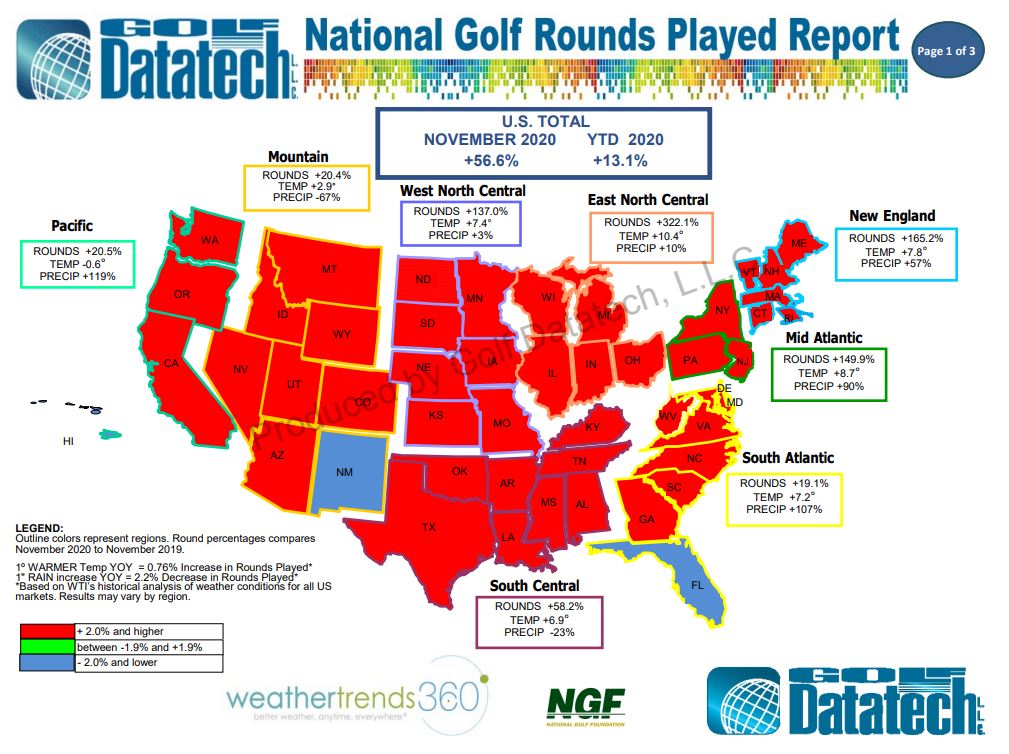
November rounds of golf were up almost 57% nationally over a year ago, continuing an upward trend since coronavirus restrictions on golf operations were lifted.
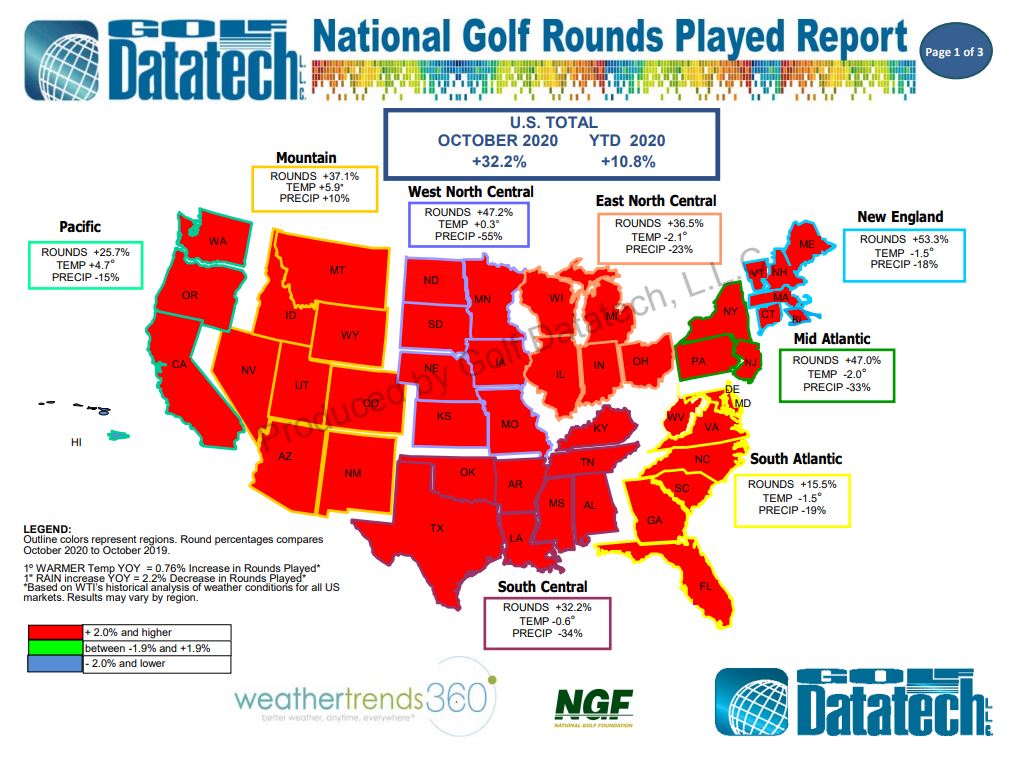
October rounds were up 32.2% nationally year-over-year, another record-setting increase for 2020 play.

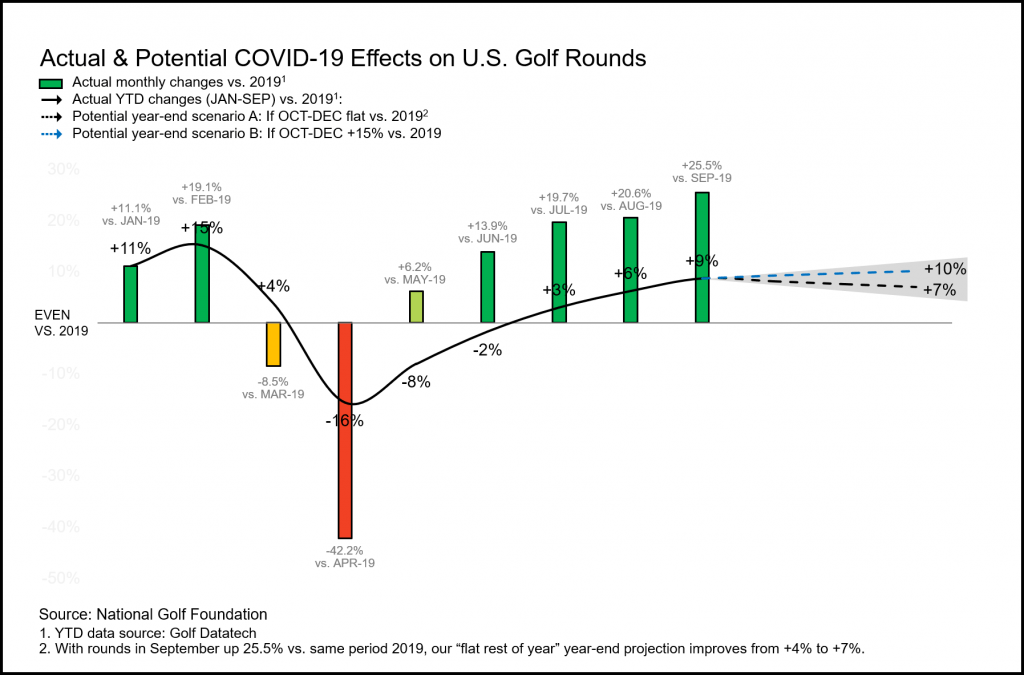
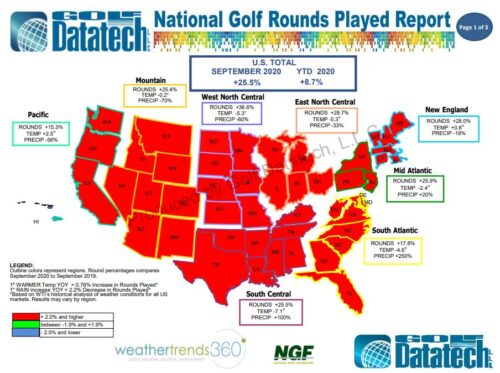
The September numbers are in and, percentage-wise, it was the largest year-over-year jump so far in 2020.
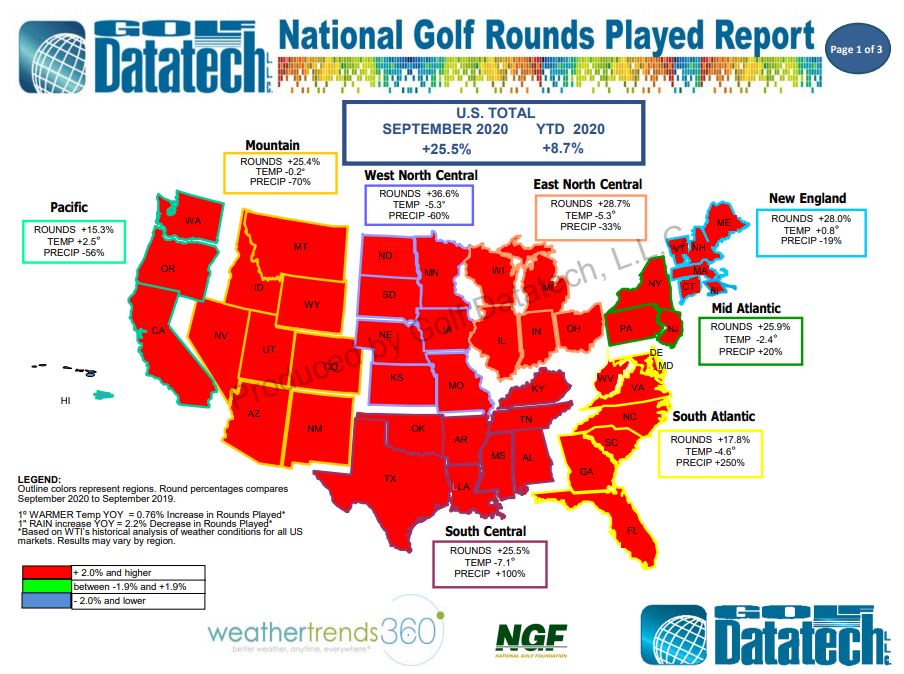
September rounds played continued the summer momentum nationwide.